Blog
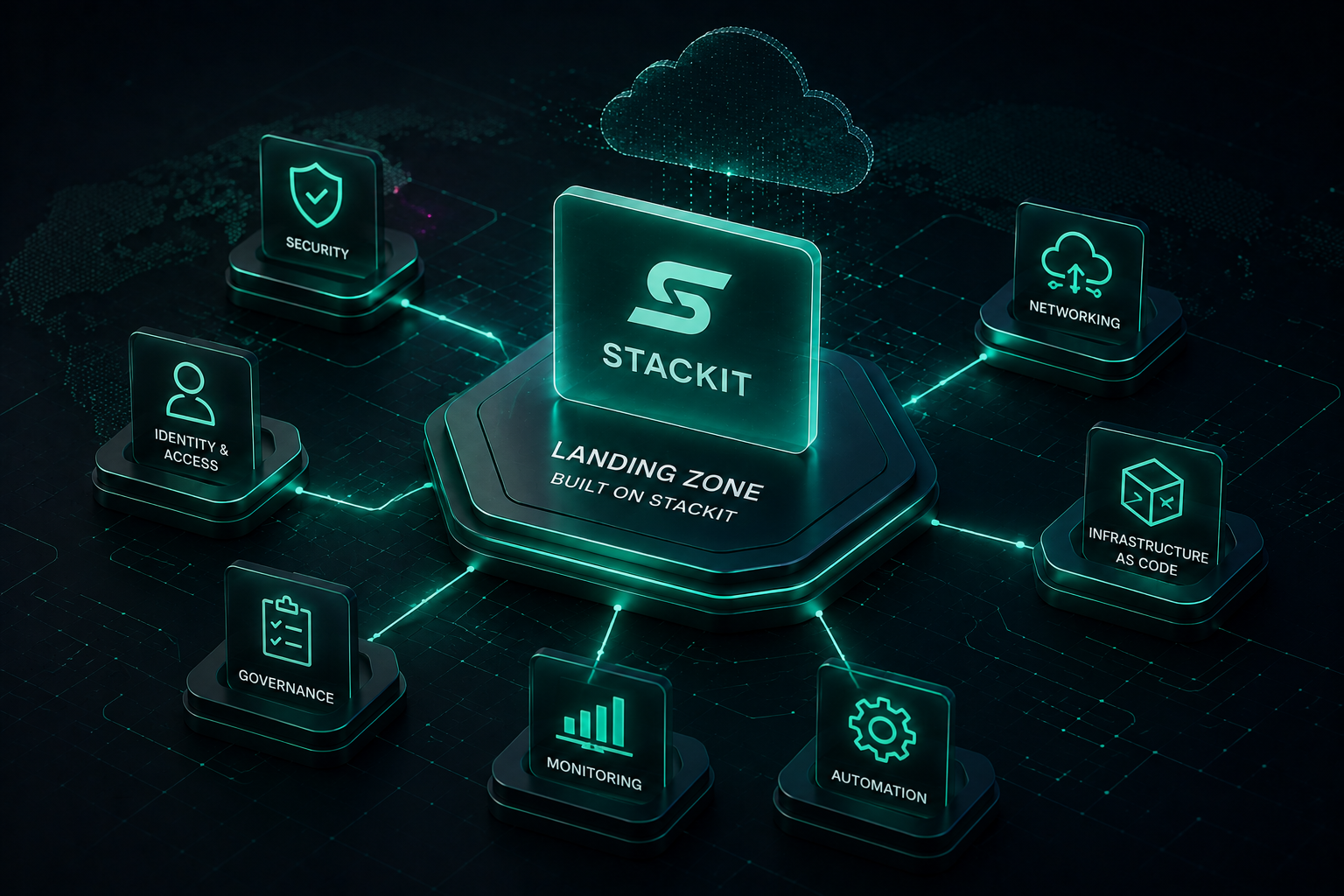
STACKIT Landing Zone Blueprint – We built it so you don’t have to
Many cloud transformations start in a similar way and often repeat the same foundational steps:
Landing zones are built individually, governance is redefined several times, and standards are developed from scratch. In practice, teams frequently end up solving very similar challenges with only slight variations.
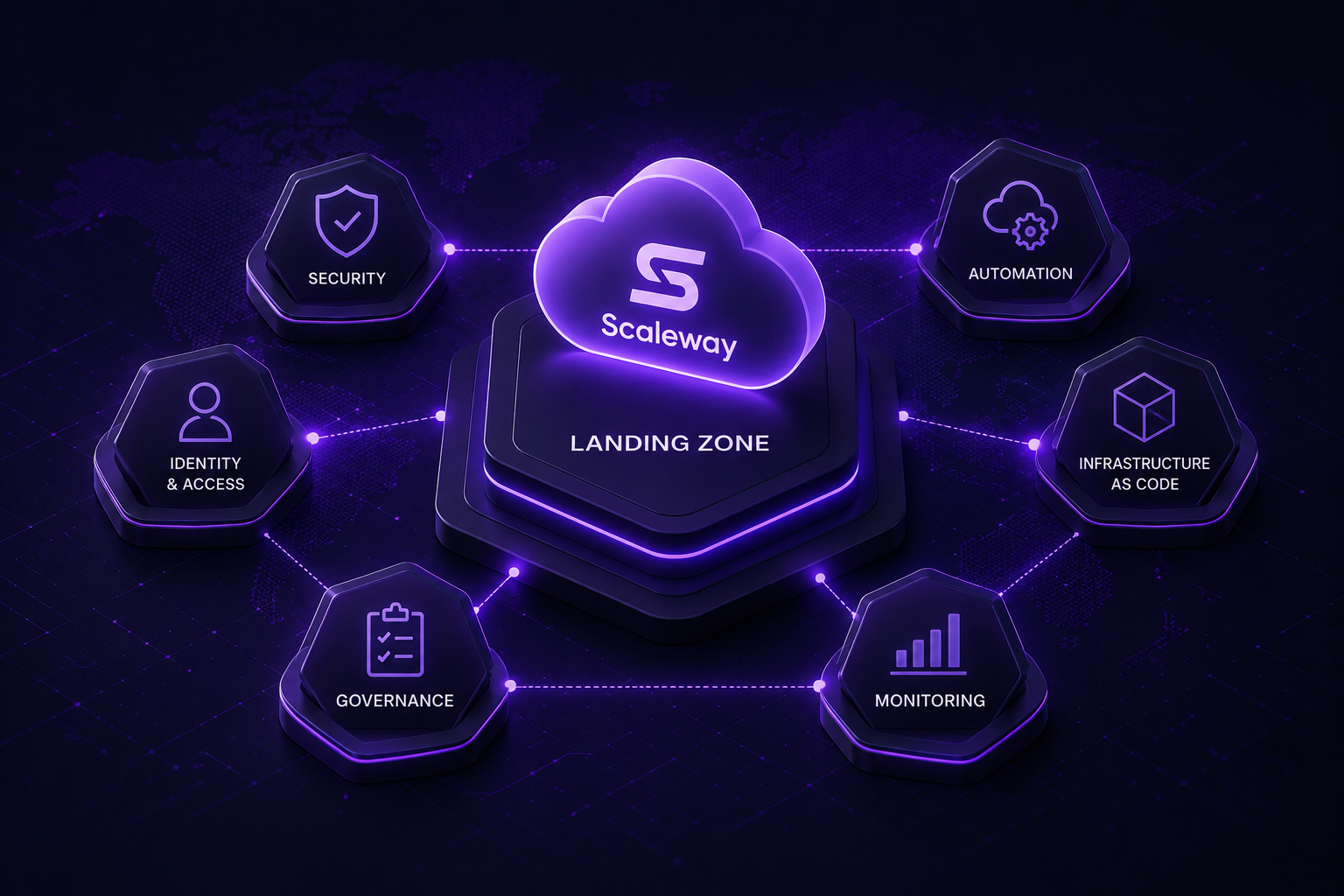
Building a Landing Zone on Scaleway
A successful cloud journey starts with the right foundation. Discover how to build an enterprise-ready landing zone on Scaleway, bringing together security, networking, identity and observability to create a scalable and sovereign cloud environment for your workloads. Explore the architecture behind the solution and learn how platform engineering principles can turn a complex cloud setup into a secure, repeatable, and streamlined experience for application teams.
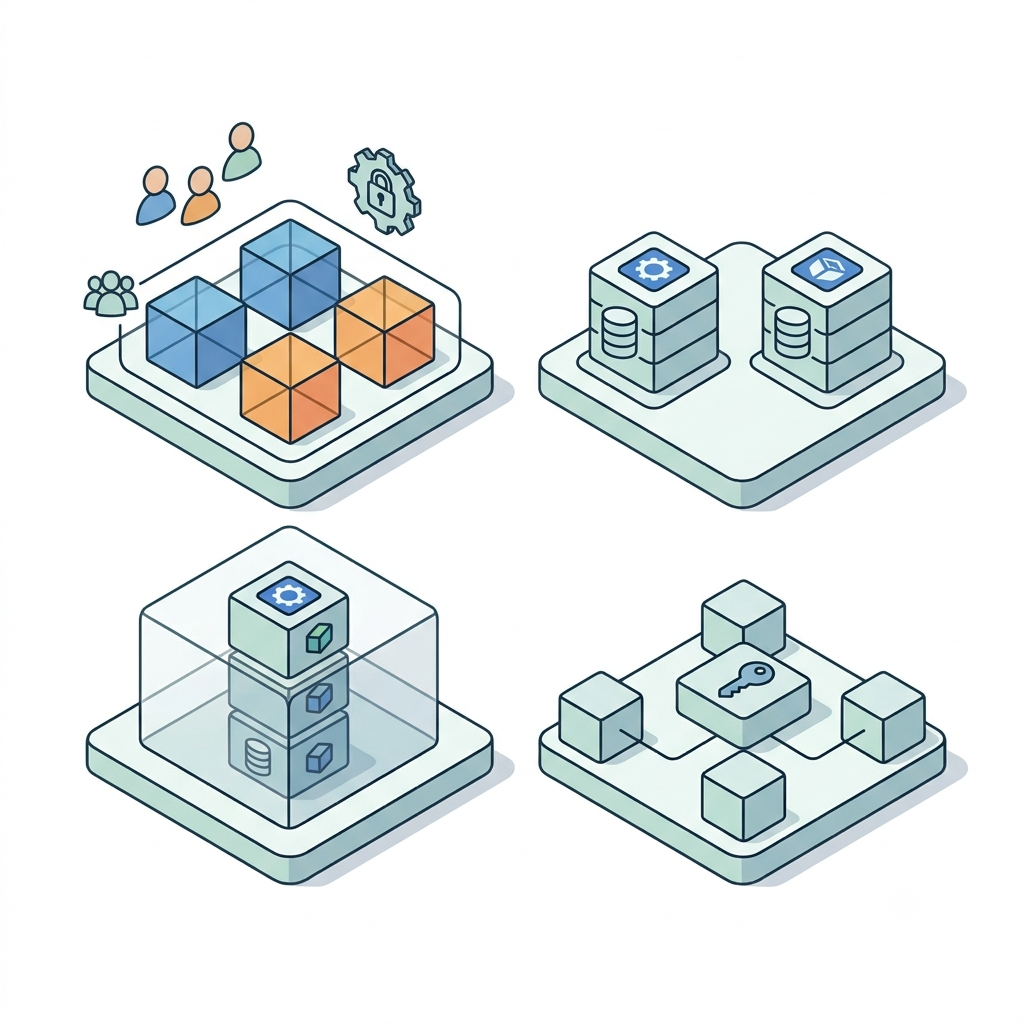
Multi-Tenancy Patterns and Which One Is Correct for You
One core topic in Platform Engineering is multi tenancy. Natively Kubernetes supports this either by dedicated namespaces or dedicated clusters per tenant. Both come with advantages and disadvantages and need to be selected based on the use-case at hand. However they sit at two ends of tenant isolation. With this article we are trying to shed some light on mechanisms for tenant isolation, that sit between those opposites. All of these models is really a story about which layer of the stack people have chosen to bolt tenancy onto, and what they gave up to do it, as Kubernetes has no built in concepts of "tenancy". Therefore, the following 5 patterns will be discussed: Namespaces, separate clusters, vCluster, Capsule and KCP.
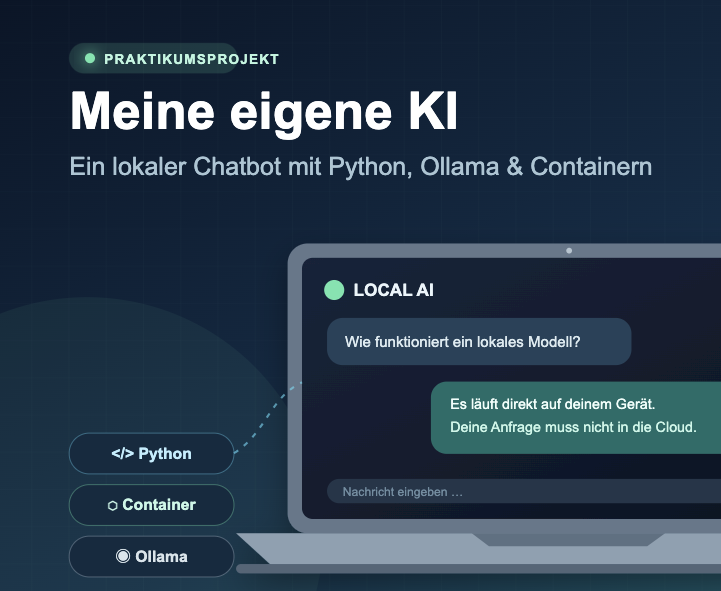
Meine eigene KI: Ein lokaler Chatbot als Praktikumsprojekt
Künstliche Intelligenz ist inzwischen Teil unseres Alltags. Viele Menschen verwenden Programme wie ChatGPT, ohne genau zu wissen, was im Hintergrund passiert oder wohin ihre eingegebenen Daten übertragen werden. In meinem Praktikumsprojekt wollte ich deshalb herausfinden, wie ein KI-Chatbot funktioniert – und einen eigenen Chatbot entwickeln, der direkt auf meinem Computer läuft.
Serving LLMs in Production: vLLM, KServe, and the Deployment Decisions That Matter
GPU memory pressure, batching inefficiencies, and autoscaling complexity make LLM serving fundamentally different from traditional ML. We compare three production deployment strategies for vLLM — standalone, KServe, and BentoML — then go deep on KServe with deployment patterns, canary rollouts, and its role in a broader LLMOps platform.

The AI Gateway Landscape: agentgateway, LiteLLM, Kong and Envoy AI Gateway
Throughout out recent events we have seen that AI Gateways have become the single most important entry point for companies.