
Blog
Notizen aus der Plattform.
Was wir beim Bau souveräner Plattformen lernen, geschrieben von den Engineers, die die Arbeit machen, nicht von einem Content-Team.
Neu
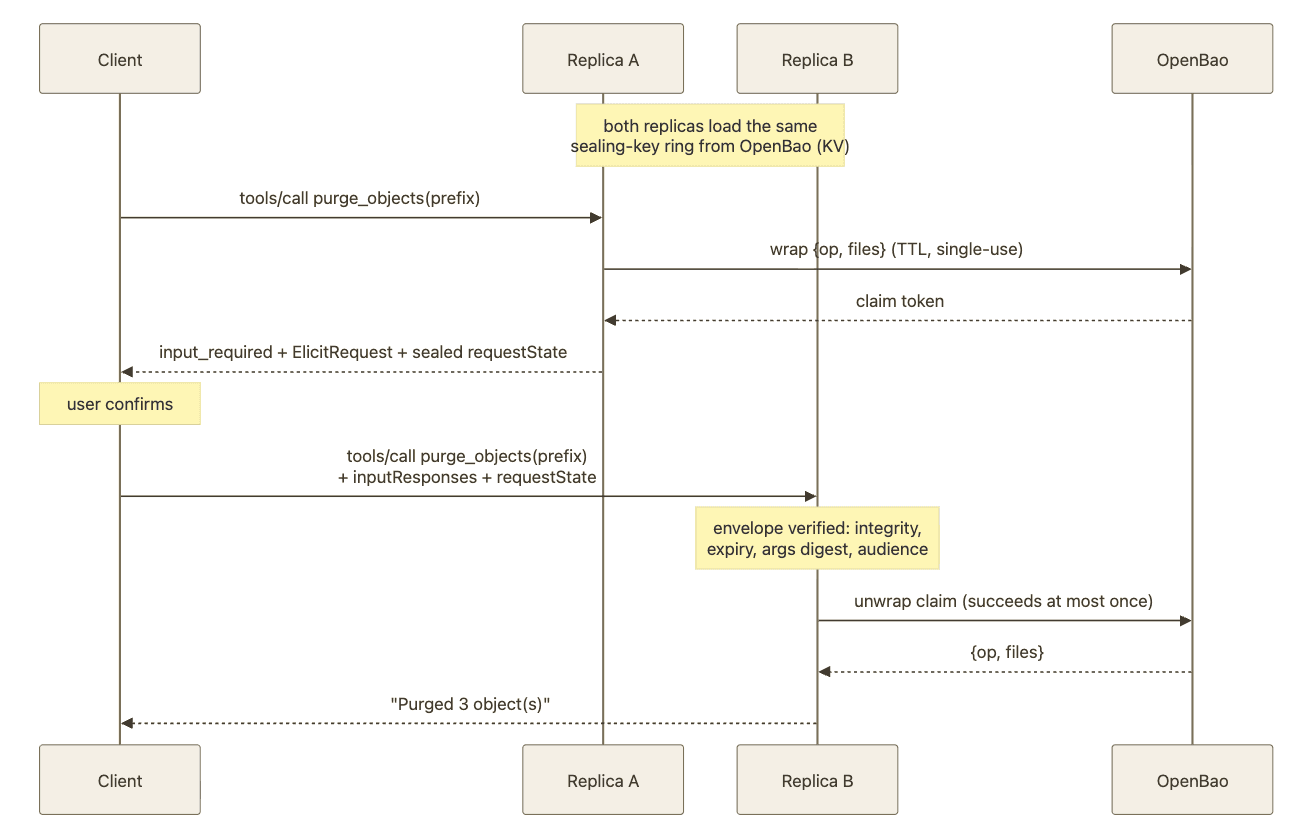
Ein Follow-up zu unserem Artikel im AAIF-Blog „Designing RequestState for Multi-Round Trip Requests“. Der gesamte Code in diesem Beitrag stammt aus dem Begleit-Repository `openbao-mcp-requeststate` und läuft gegen ein echtes OpenBao und das offizielle MCP Python SDK.
·
Max Körbächer
·
Max Schmidt
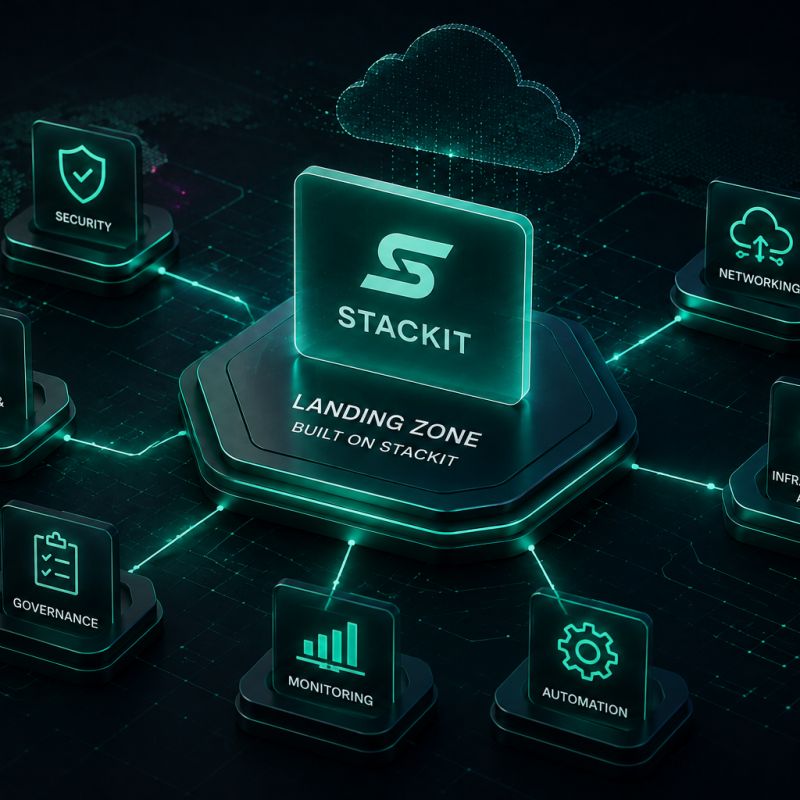
Many cloud transformations start in a similar way and often repeat the same foundational steps: Landing zones are built individually, governance is redefined several times, and standards are developed from scratch. In practice, teams frequently end up solving very similar challenges with only slight variations. We looked at this in the context of newer and sovereign cloud providers, where publicly available best practices and blueprints are still emerging. Working with a new provider will always involve a learning curve, but it does not have to mean repeating avoidable work. This is the reason for this project. We have developed a Terraform-based landing zone architecture for STACKIT as a reusable blueprint and intentionally want to share it as part of our community work. Our goal is not to replace existing guidance, but to provide an additional, directly usable starting point for other teams. Since STACKIT has also published its own Landing Zone Accelerator, our blueprint should be seen as a complementary implementation perspective based on practical project experience.

·
Dominik Heilbock
Kubernetes bietet Namespaces oder dedizierte Cluster pro Mandant. Wir betrachten die Isolationsmuster zwischen diesen beiden Extremen.

·
Max Körbächer
Vier Tage im SAP Innovation Center Potsdam: Hacking an souveräner Inferenz und AI Engineering mit ApeiroRA und NeoNephos.

·
Jakob N.
Ein Praktikumsprojekt: ein lokaler KI-Chatbot, der vollständig auf dem eigenen Rechner läuft, und was hinter ChatGPT wirklich passiert.